Preparing Texas Lawns for a Healthy Fall Transition
Why August is Crucial for Fall Lawn Prep
August in Texas is more than just scorching temperatures—it’s a pivot point for preparing your lawn for the cooler months ahead. Soil is still warm enough to stimulate root growth, making it an ideal time to start the transition. Early action can prevent disease, bald spots, and poor color later in the season.
Lawn Assessment and Soil Testing
Start with evaluating your lawn’s current condition. Is it patchy? Is the soil hard or compacted? Soil tests help determine pH levels and nutrient deficiencies. For commercial properties like school campuses, it’s essential to plan these assessments before the academic year begins to ensure safe and presentable grounds.
Strategic Fertilization for Seasonal Shift
Opt for a phosphorus-rich fertilizer to promote root development instead of top growth. This helps strengthen the grass against fall diseases and prepares it to store energy for the dormant season. Granular fertilizers work best when applied with consistent watering.
Overseeding and Top Dressing Techniques
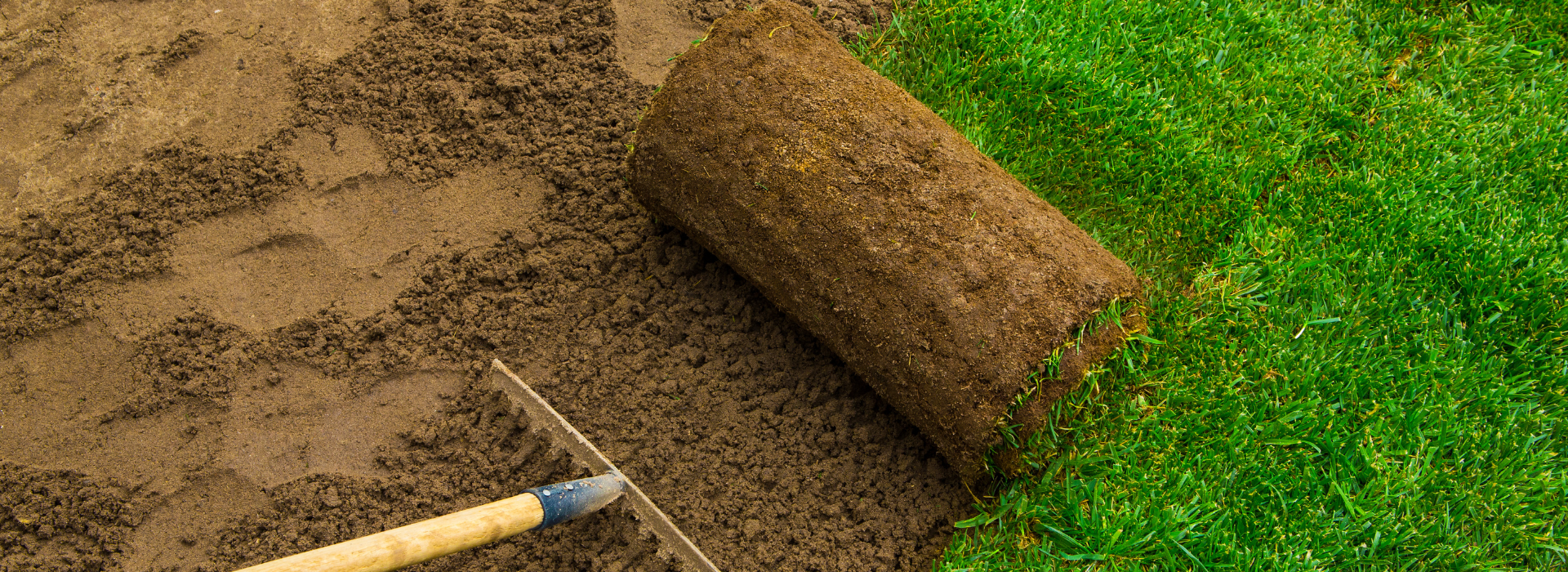
Now’s the time to overseed thin or bare areas. Choose region-appropriate grass seed blends—like Bermuda or Zoysia—that thrive in Texas climates. A light top dressing with compost adds nutrients and helps seeds germinate evenly, giving a uniform green texture across residential and commercial lawns.
Mowing Adjustments for Late Summer
Gradually reduce mowing height by a notch in mid-to-late August. This hardens the turf for incoming cooler nights and improves resistance to fall weeds. Keep mower blades sharp to prevent grass tearing and disease introduction.
Efficient Weed Management
Pre-emergent herbicides are effective now for tackling fall and winter weeds before they germinate. For busy commercial areas like golf courses or retail landscapes, this ensures clean, low-maintenance aesthetics and safer walking paths.
Benefits of Hiring a Lawn Care Partner for Fall Prep
Coordinating all these efforts alone can be overwhelming. A lawn care provider handles scheduling, product selection, and application for you. Our team customizes care for residential homes and complex commercial properties, ensuring results are visible by the start of fall.
Get ahead of fall with proactive lawn care today
Schedule a consultation with our experts and discover how your lawn can transition smoothly into cooler months with lush, green coverage.Call Steiner Lawn Care Today!
Share this article:
Improve your lawn's appearance and impress your neighbors. Start here by filling out the form below.