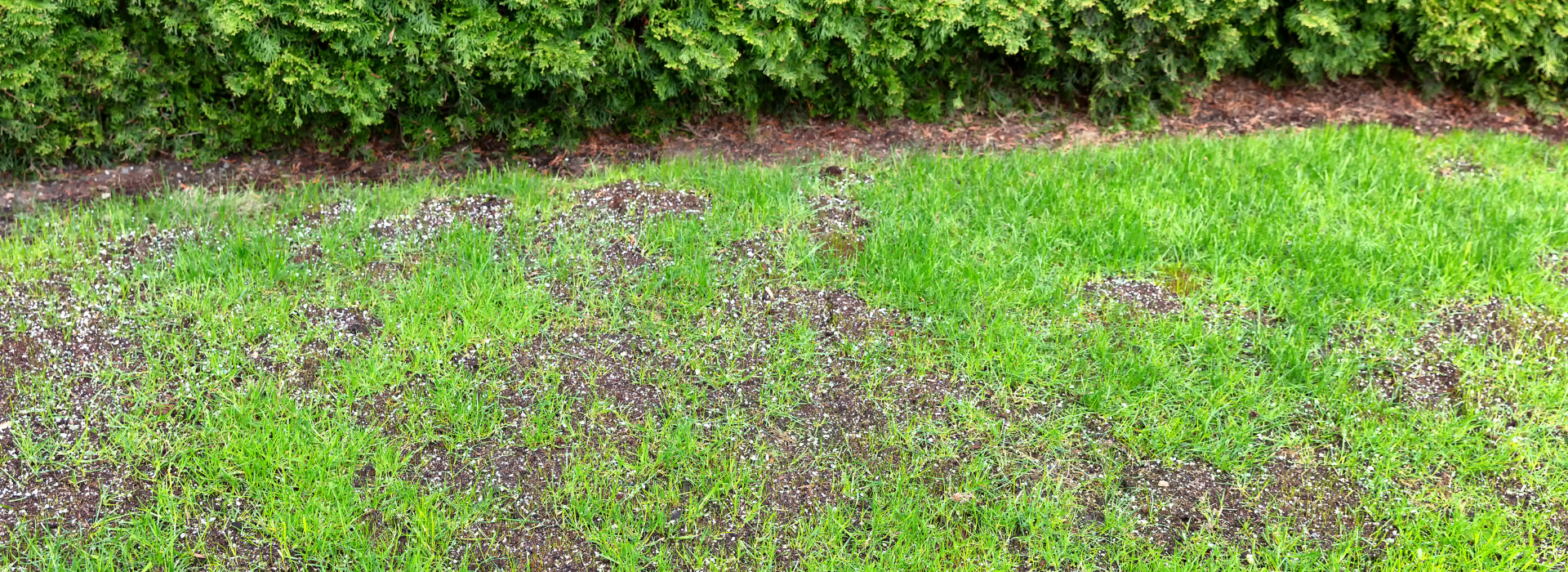
By mid-August, lawns across Texas especially in areas like Austin, Houston, and San Antonio are showing clear signs of heat stress. Brown patches, thinning turf, and compacted soil can all take a toll on your lawn’s health and appearance. But with the right recovery strategies, you can restore your residential or commercial lawn and set it up for a lush fall season Late summer lawn recovery.
Understanding the Impact of Texas Summer on Grass Health
Texas summers are brutal—scorching temperatures, sporadic rainfall, and heavy foot traffic all lead to stressed lawns. Residential yards see less irrigation efficiency, while commercial spaces like retail centers and school grounds suffer due to high use. Grass types like Bermuda, Zoysia, and St. Augustine tend to go dormant or develop bare spots without proper care. This is the time when you need a recovery plan tailored for Texas heat.
Strategic Watering to Encourage Root Growth
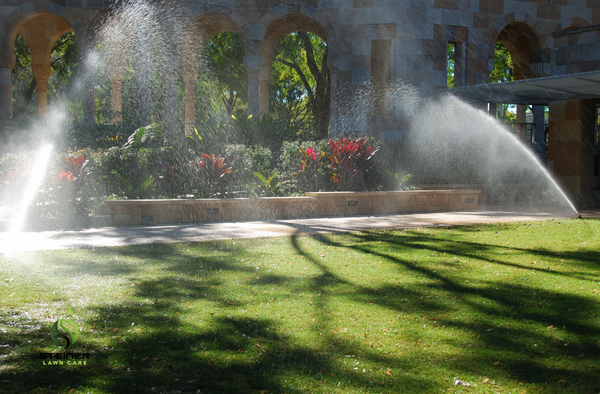
Your lawn may be thirsty, but overwatering can actually do more harm than good. In August, switch to early morning deep watering, ideally 1 to 1.5 inches per week. This schedule encourages deep root development and reduces evaporation loss. Use a moisture meter or screwdriver test to make sure water is penetrating the soil at least 6 inches deep.
Repairing Bare Spots and Compacted Soil
Take a walk around your lawn and look for trouble zones—these may include areas with heavy foot traffic, like pathways to the mailbox, patios, or entrances to commercial properties. Loosen compacted soil with a spike or core aerator and reseed with a heat-tolerant grass blend. Add compost or a thin layer of enriched topsoil to help new seed take hold.
Fertilizing With Care in August
Avoid heavy fertilization during peak heat, but a balanced, slow-release fertilizer high in potassium can give your grass the boost it needs to repair damage. This supports stronger root development and enhances heat and drought resistance. Apply only if your lawn is well-irrigated and not dormant.
Mowing Smartly for Regrowth
Raise your mower blade to allow grass to retain more moisture and protect roots from heat. Avoid mowing more than ⅓ of the grass height at once. Grass left too short will become stressed and more prone to burning. For commercial properties, plan for off-hours mowing to avoid disturbing customers or school operations.
Improve Airflow and Light with Trimming and Clean-Up
Late summer is also a good time to trim overgrown shrubs or trees that may be blocking airflow or sunlight from reaching grass. Clearing fallen branches, debris, and leaf litter helps prevent pests and fungus growth, especially in commercial properties with landscaping near storefronts or signage.
Planning Ahead for Fall Overseeding or Sod Installation
While it may feel early, August is the perfect time to plan your fall lawn improvements. For residential lawns, overseeding helps thicken turf. For commercial properties or sports fields, consider scheduling sod installation once temperatures drop slightly. Having a strategy now ensures you’re ahead of the fall rush.
Is your lawn struggling this August?
Let our Texas lawn care team help restore its beauty. Contact us today for a free late-summer lawn health assessment!Call Steiner Lawn Care Today!
Share this article:
Improve your lawn's appearance and impress your neighbors. Start here by filling out the form below.