A Late Summer Strategy for Residential & Commercial Properties
Understanding the Late Summer Lawn Needs in Texas
Late August in Texas is marked by intense heat, intermittent drought, and lingering humidity. Whether you own a home, manage a retail complex, or maintain golf course turf, late summer is a critical transition period. Grass begins to slow its growth, moisture retention becomes a challenge, and underlying soil health starts to dictate how your summer strategy lawn will perform through the fall and winter. Understanding the unique challenges posed by the Texas climate helps create a targeted late-summer plan.
The Importance of Soil Health Going into Fall
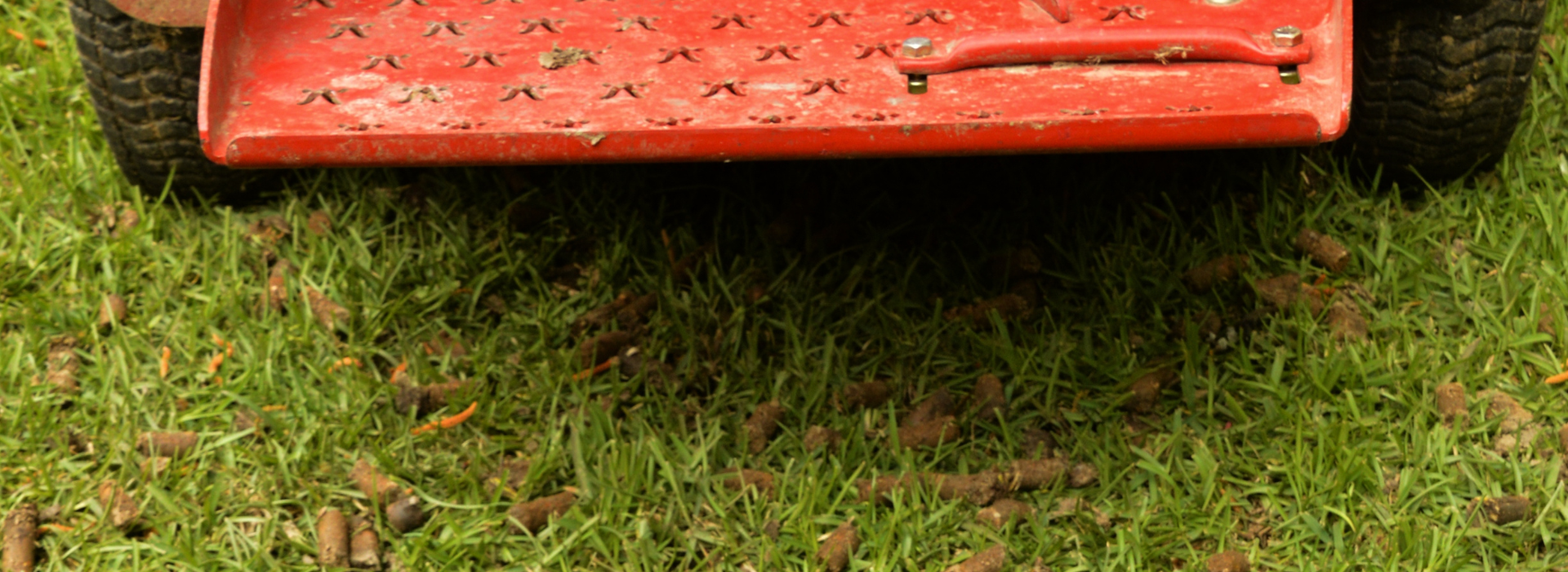
Healthy soil is the cornerstone of a resilient lawn. In August, the soil in Texas often becomes compacted and dry, reducing the ability of roots to grow deeply. Begin aerating your lawn now to reduce compaction and allow nutrients, water, and oxygen to reach the root zone. Consider applying a light top dressing with compost to introduce organic matter and improve microbial activity. This foundational care ensures your lawn enters fall with strong, nutrient-rich roots.
Smart Watering Techniques for Late Summer
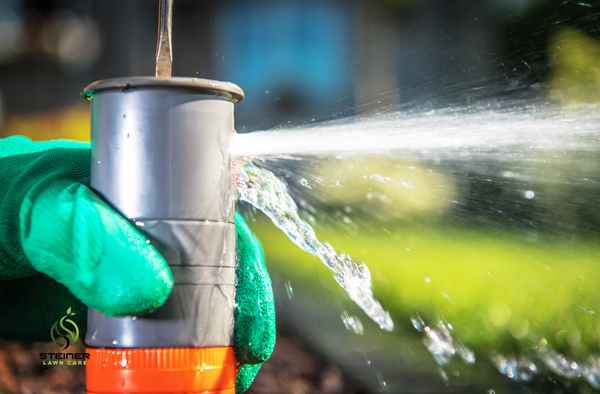
Residential and commercial lawn managers must fine-tune their irrigation systems to reflect changing conditions. In late summer, deep, infrequent watering is more effective than frequent shallow watering. Adjust irrigation timers to run early in the morning and monitor for signs of drought stress like folded blades or bluish-gray patches. For large commercial spaces like school campuses or sports fields, invest in moisture sensors to ensure water efficiency and avoid over-irrigation.
Fertilizing in August: What to Apply and When
Avoid high-nitrogen fertilizers this late in the season. Instead, choose a slow-release or balanced fertilizer with a slightly higher potassium content to help turfgrass harden off before fall. For example, a 5-10-10 fertilizer applied in late August gives your lawn the nutrients it needs without encouraging excessive top growth. Always water thoroughly after application to prevent burning and ensure nutrient absorption.
Weed and Pest Management This Time of Year
Weeds like crabgrass and dallisgrass are still active in August, especially after rainfall. Apply post-emergent herbicides selectively on actively growing weeds. Be cautious with herbicide use in high-traffic commercial areas to avoid damage. Grubs and chinch bugs may also be active in late summer. Conduct a quick turf inspection by lifting sections of the lawn and applying insecticides only if pest thresholds are met. An integrated pest management approach reduces resistance and keeps your lawn balanced.
Mowing Strategies for Health and Recovery
Raise your mower blade to about 3-3.5 inches during late summer. Taller grass shades the soil, conserves moisture, and helps outcompete weeds. Avoid removing more than one-third of the grass blade in a single mow to minimize stress. For golf courses or schools with Bermuda grass, maintain a more aggressive schedule, but avoid scalping. Sharpen mower blades frequently to ensure clean cuts and prevent disease entry points.
Overseeding Considerations for Fall Preparation
If you’re planning to overseed warm-season lawns with cool-season grasses like ryegrass for the winter, late August is the time to prepare. Begin dethatching and clearing debris now. By early September, your lawn should be ready for seed. For commercial clients, like retail plazas or hospitality grounds, overseeding keeps the turf visually appealing through the fall and winter, maintaining a professional appearance year-round.
Enhancing Curb Appeal Before the Season Shifts
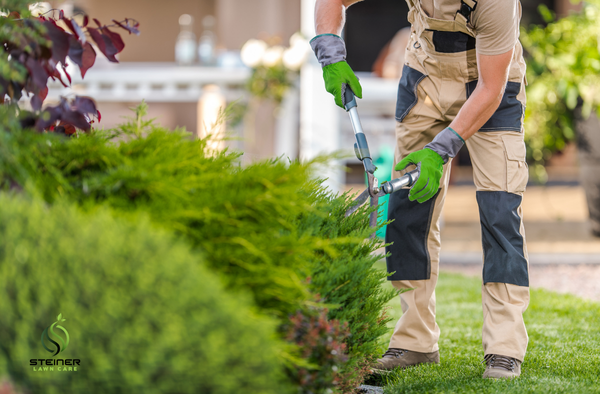
Use the last part of August to do a quick visual refresh of your landscape. Trim overgrown shrubs, edge walkways, and add mulch to flower beds for color and moisture retention. Homeowners benefit from boosted curb appeal while businesses maintain a welcoming aesthetic for customers and tenants. A clean, vibrant lawn in late summer signals professionalism and care.
Need help preparing your lawn for fall?
Whether it’s a residential yard or a large commercial property, our expert lawn care team is here to help. Contact us today for a free lawn assessment and customized fall transition plan.