Texas lawns take a beating in August. Daily highs well above 90°F combined with little rainfall can stress even the most established turfgrass. Symptoms like discolored patches, thinning blades, and crunchy underfoot textures are common signs of heat damage. For businesses, these brown spots can diminish curb appeal; for homeowners, they disrupt the beauty and usability of outdoor spaces. Identifying these signs early is the first step to recovery.
Step One: Hydration Reset
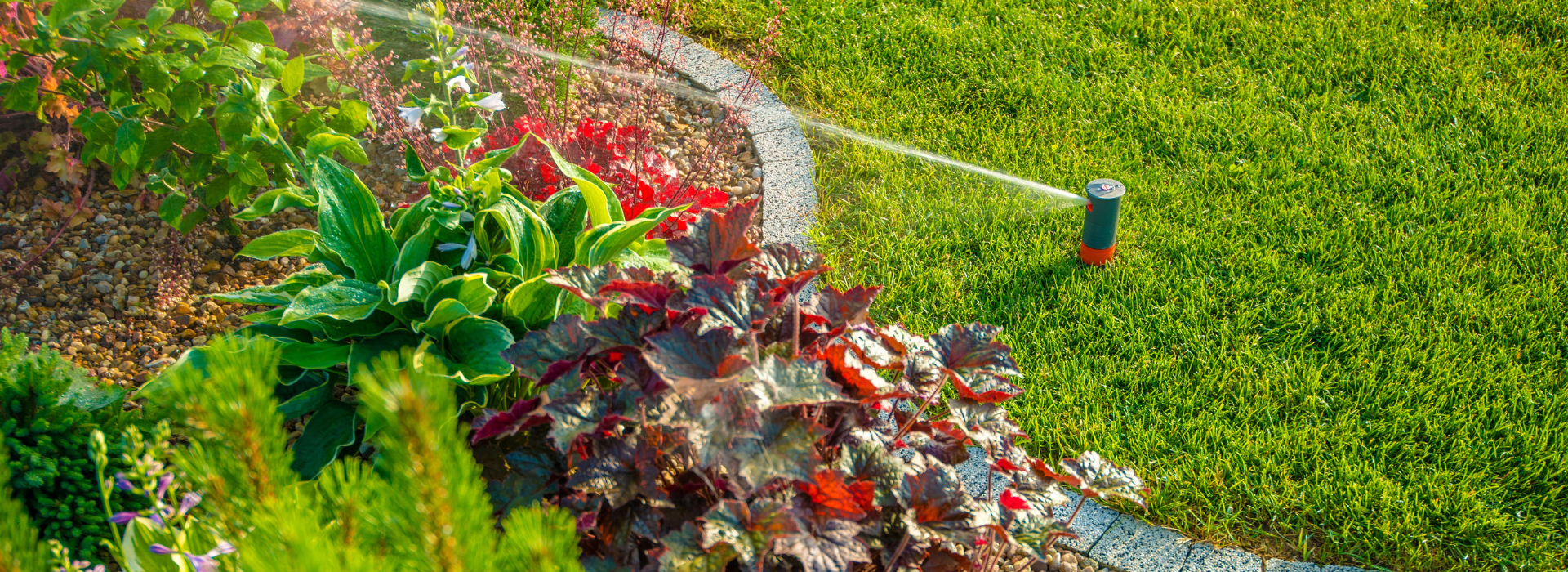
Start your recovery process with proper watering. If you suspect drought stress, saturate your lawn deeply for several days in a row during early mornings to rehydrate the soil. Avoid watering at night, which promotes fungal growth. Pay special attention to areas near sidewalks and driveways where reflected heat exacerbates stress. For commercial landscapes, consider hiring a professional irrigation auditor to adjust system performance.
Soil Restoration Techniques
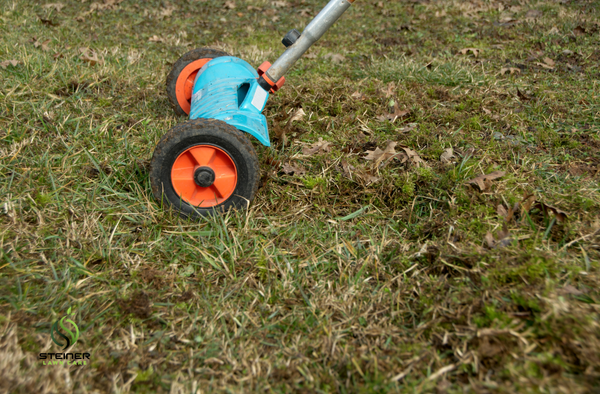
Soil exposed to extreme heat often becomes hydrophobic, repelling water rather than absorbing it. Apply wetting agents to help water penetrate and spread more evenly. For high-traffic commercial areas, core aeration in late August relieves compaction and promotes deeper rooting. Consider applying a mild compost tea or liquid humic acid to stimulate microbial recovery.
Reseeding Bare or Thin Patches
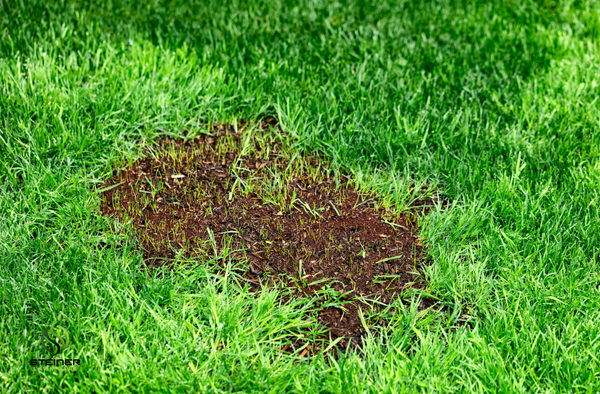
Begin patch repairs using seed blends appropriate for your region. In Central and South Texas, Bermuda and Zoysia blends work well, while in North Texas, consider fescue for shady areas. Loosen the top layer of soil before applying seed, and keep it consistently moist until germination. For commercial areas like schools or parks, use erosion-control blankets or hydromulch to protect seedbeds.
Mowing Adjustments During Recovery
Keep mower blades high to encourage deeper root development and shade sensitive areas. Never mow during peak heat. Keep clippings on the lawn as they provide valuable nutrients and moisture retention. For golf courses and large commercial properties, monitor cutting heights carefully and ensure mower decks are evenly calibrated to avoid scalping.
Pest and Disease Monitoring During Stress Recovery
Stressed lawns are more vulnerable to diseases like brown patch and pests such as armyworms. Apply fungicides and insecticides only after confirming the specific issue. Excessive chemical use during heat stress can do more harm than good. Spot treatments are usually more effective than blanket sprays at this stage.
Using Mulch and Ground Cover Strategically
Apply organic mulch around trees, garden beds, and walkways to reduce soil temperature and retain moisture. For commercial spaces, consider xeriscaping techniques with native ground covers to reduce long-term water demands. This not only improves appearance but helps maintain landscape sustainability.
Plan Ahead: Prepping for September Growth
Use late August to plan your September fertilizer schedule and decide if overseeding is right for your property. Test soil now to identify deficiencies and order materials in advance. With a proactive strategy, you’ll be positioned for a healthy fall rebound.
Revive your lawn before fall arrives
Contact our expert team to evaluate heat stress and get a tailored recovery plan that works for your property type and location.