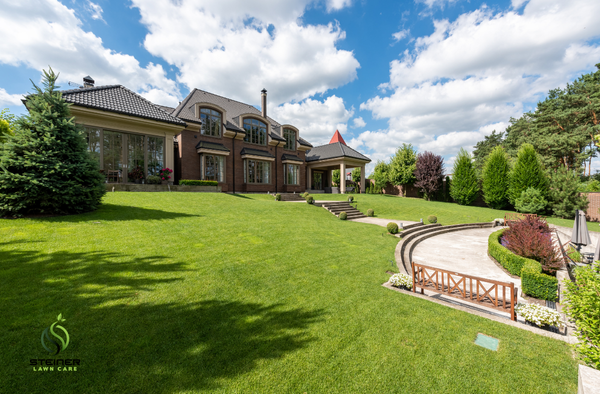
Start by walking your property. Look for thinning patches, bare spots, compacted soil, and stressed or dormant grass. These issues often stem from intense heat, drought stress, and increased foot traffic from summer use.
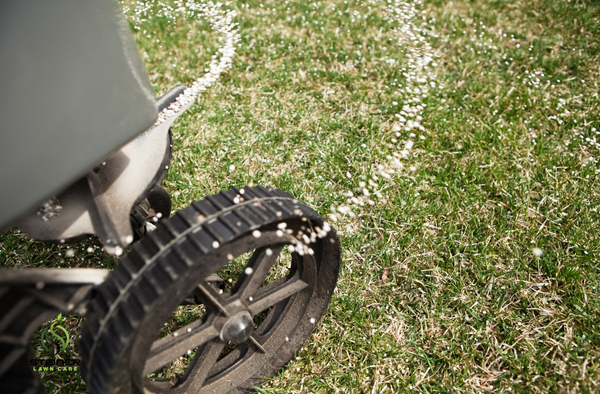
Applying a balanced fertilizer now helps replenish nutrients depleted during summer. Use a slow-release nitrogen blend to strengthen the roots without pushing excessive top growth. For commercial properties, coordinate with a lawn care provider to avoid overlapping treatments.
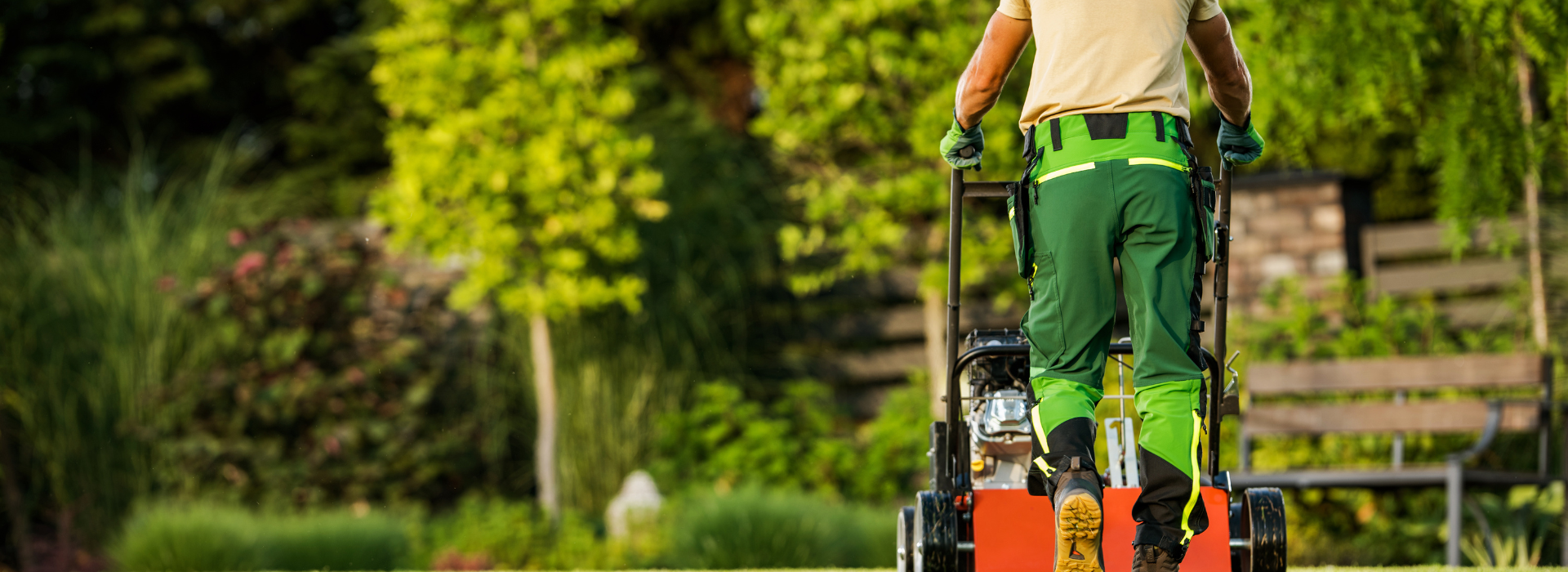
Core aeration allows water, nutrients, and oxygen to reach the root zone. This is especially vital in clay-heavy Texas soils. August is an ideal time to aerate warm-season grasses like Bermuda and Zoysia while they’re still actively growing.
If parts of your lawn are sparse, overseeding helps restore density. Choose seed varieties compatible with your current turf. For larger commercial areas like sports fields, hydroseeding may be a more efficient option.
Summer weeds like crabgrass and spurge may still be present. Use a selective post-emergent herbicide to target them now. Also consider applying a pre-emergent herbicide in early September to prevent winter weeds.
Though the weather is still hot, nights begin to cool in late August. Reduce watering frequency gradually to avoid overwatering. Monitor rainfall and make use of smart irrigation tools for efficient scheduling.
Raise the mower blade slightly to avoid stressing the grass. Ensure the mower blades are sharp for clean cuts. Avoid scalping the lawn, as this weakens it before entering fall.
Spread a thin layer of compost or organic topdressing to improve soil structure and microbial health. For commercial landscapes, this is also a good time to refresh mulch beds to improve curb appeal.
Look for leaks, clogs, or broken sprinkler heads. Flush drip lines and clean filters. Fixing these now ensures you’re ready for any fall plantings or sod installation.